inspiring travel
A walking safari guide leading two guests across a floodplain in the South Luangwa Valley at dawn
Southern Africa · Zambia

On foot through
the real Africa

Zambia invented the walking safari. Norman Carr pioneered it in the South Luangwa Valley in the 1950s, and the tradition has been refined over seventy years into the most authentic wildlife encounter available in Africa, you on foot, the guide reading the ground, and the distance between you and a buffalo measured in metres.

Design your Zambia journey →
Scroll

Zambia's national parks cover thirty per cent of the country's land area, one of the highest conservation percentages in Africa, and the deliberate decision to cap visitor numbers rather than maximise revenue has preserved a quality of wilderness that neighbouring countries have compromised. The South Luangwa Valley, a spectacular tectonic rift where the Luangwa River cuts through a floodplain dense with wildlife, is considered by most professional guides and serious safari travellers to be the continent's finest walking safari destination.

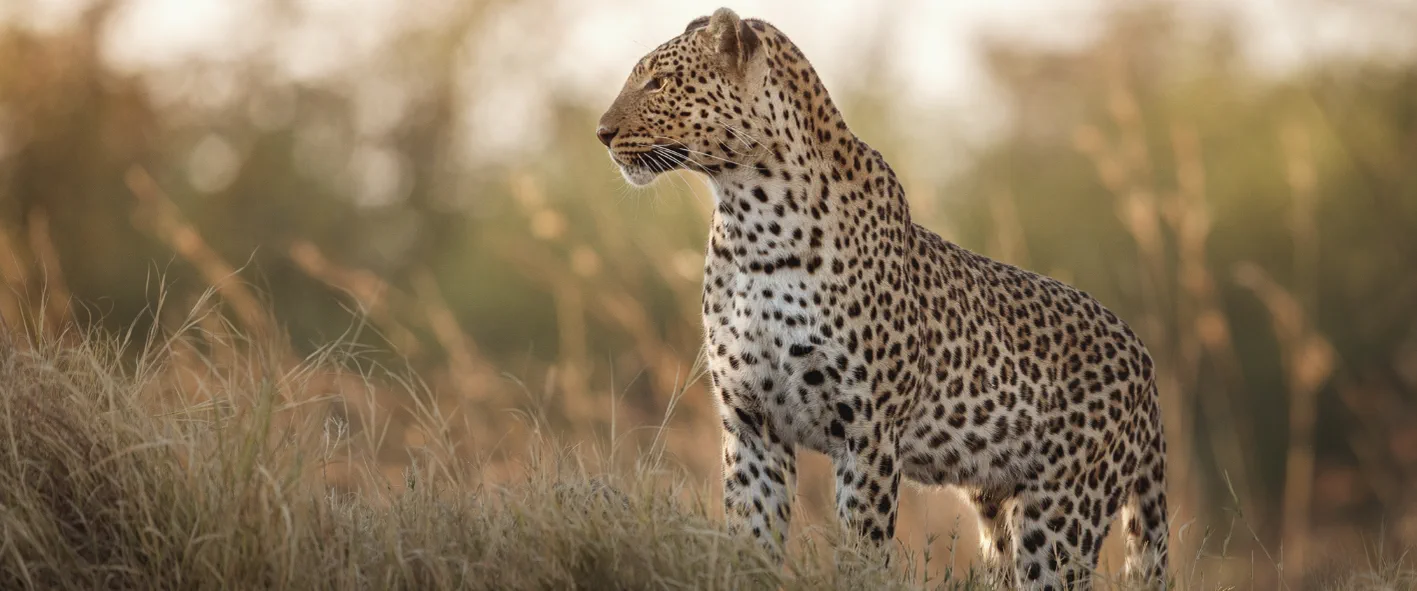
The camps here are small, guiding standards are the highest in Africa, and the leopard density in the valley is extraordinary by any measure. Lower Zambezi National Park, where the river runs wide and deep between Zambia and Zimbabwe, adds canoe safaris, a multi-day descent by Canadian canoe along the river's edge, sleeping in fly camps, with elephants drinking on one bank and hippos yawning on the other.

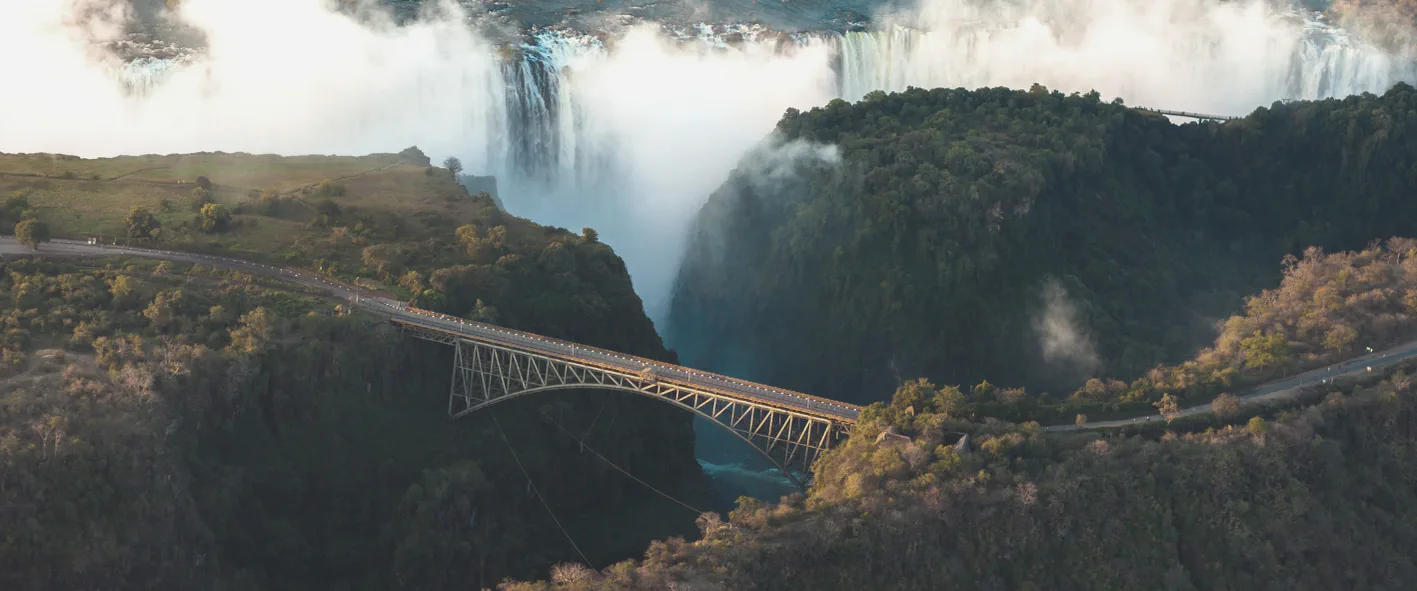
Victoria Falls, on the Zambian side, can be approached right to the edge of the basalt lip itself, a proximity the excellent Zimbabwean viewing path doesn't quite replicate.

Signature experiences

How we design
your Zambia

Walking safari in South Luangwa, guide crouching to read elephant tracks in the riverbed sand
Adventure

South Luangwa, a multi-day walking safari

The walking safari in the Luangwa Valley is a multi-day experience run from a mobile fly camp that relocates every night so the route is never repeated. A maximum of six guests walk with two guides, a senior professional and a scout, covering eight to twelve kilometres each morning across terrain ranging from oxbow lakes to jesse bush to open plains. The afternoon game drive covers different ground. Camps are tented on raised ground above the river, food is cooked over a wood fire, and nights bring the calls of hyenas from the dark beyond the fire circle. The Mfuwe and Nsefu sector operators, Robin Pope Safaris and Shenton Safaris in particular, maintain guiding standards that draw the region's most experienced naturalists.

Canadian canoes on the Lower Zambezi River at dawn, elephant visible on the Zimbabwe bank opposite
Adventure

A canoe safari on the Lower Zambezi

Canoeing the Lower Zambezi means sitting at water level as hippos surface ten metres to your left and a buffalo herd crosses the shallow channel ahead of you. The river's pace is slow enough to paddle comfortably and fast enough to cover ground; the three-day route between Chiawa and Mana Pools (crossing into Zimbabwe's finest park) runs through a wild corridor where the only human infrastructure is the fly camp set up each evening by the camp crew who drove on ahead. The Zambezi's birdlife is extraordinary, African fish eagles call from every riverside tree, African openbill storks wade the margins, and carmine bee-eaters nest by the thousand in the sandbank cliffs from August to October.

Victoria Falls seen from the Zambian side, the full width of the falls visible through mist and spray
Adventure

Victoria Falls, walking to the edge

The Zambian side of Victoria Falls allows access the Zimbabwean side doesn't: a path running along the basalt lip of the falls themselves, so you can stand above the point where the Zambezi plunges 108 metres into the Batoka Gorge and watch the white water vanish beneath your feet. At full flow (February to May), the spray produces a permanent rainbow and soaks everything within two hundred metres; the dry season (September to November) opens access to Devil's Pool, a natural rock formation right at the falls' edge where, at low water, it's possible to swim and look straight over the drop. Combining Livingstone Island, the lip path and a microlight flight over the falls covers every vantage point.

A suggested journey

10 days
on foot and on the water

This journey combines Victoria Falls, the South Luangwa walking safari and the Lower Zambezi canoe experience. Best May to October, the dry season concentrates wildlife at the river, makes walking comfortable, and puts the canoe safari at its optimal low-water conditions for navigation and wildlife proximity.

Day 1–2

Livingstone, Victoria Falls, Devil's Pool, the gorges

Arrival in Livingstone, a town that has kept more genuine character than its Zimbabwean counterpart across the bridge. Day one on the Zambian falls path and Livingstone Island at the edge, day two for a helicopter flight over the Batoka Gorge and a sunset cruise on the Zambezi upstream of the falls, where elephants come to drink against the backdrop of the spray column rising from the gorge below. The Royal Livingstone hotel on the riverbank offers the closest accommodation to the falls on the Zambian side.

Day 3–6

The South Luangwa Valley, walking safari and night drives

A charter flight east to the Luangwa. Four nights split between two camps, one inside the national park, one in the private game management area where night drives and off-road driving are permitted. Morning walks cover the floodplains and riverine forest with the same guiding team across all four mornings; the senior guide's ability to read the day's ecology, which lion crossed where last night, why the impala are alert in the riverine trees ahead, builds into genuine education across four consecutive sessions.

Day 7–9

The Lower Zambezi, canoe safari, Chiawa Corridor

A flight southwest to the Lower Zambezi and a three-day canoe journey along the river between Chiawa and the Zimbabwean border. The days on the water are punctuated by stops on sandy islands for lunch and by constant, unhurried wildlife at water level, pods of hippo, sunning crocodiles, bull elephants crossing from bank to bank in late afternoon. Camp each night in a different position on the riverbank; the third morning's crossing to Mana Pools (with Zimbabwe national parks clearance) adds the extraordinary landscape of old riverine forest where the Zambezi once flowed before changing course.

Day 10

Lusaka, departure connections

A charter or scheduled flight back to Lusaka for international connections. Lusaka's Manda Hill district has a cluster of good restaurants for a final Zambian dinner; the airport departure lounge, despite appearances, offers reliable connectivity for the onward journey.

Extension

Kafue National Park, the great, least-visited park

Kafue National Park is larger than Switzerland and receives a fraction of the visitors that Luangwa and the Lower Zambezi attract. For those with extra days, the Busanga Plains in northern Kafue, flooded in the rainy season and teeming with lechwe, cheetah and lion as they dry out between June and October, offer one of Africa's most pristine and private wilderness experiences. An air-taxi flight to Shumba Camp (eight guests maximum) and three days on the plains is the right addition for travellers who want to go further.

Frequently asked

Questions &
answers

When is the best time to visit Zambia?

The best time to visit Zambia is May to October, the dry season.

How many days should I plan for Zambia?

We typically design Zambia journeys of 7 to 10 days, always tailored to your pace and the depth of experience you're looking for.

Do Belgian, French, Swiss or Luxembourg citizens need a visa for Zambia?

Yes, an e-Visa or a visa on arrival. We confirm the exact, current requirement for your nationality when we design your itinerary, as rules can change.

What budget should I expect for a StoryTailor journey to Zambia?

StoryTailor journeys are designed for travellers whose budget starts at around €5,000 per person, the exact figure depends on the season, the properties and experiences you choose, and the length of your trip.

Your Zambian story
begins here.

Zambia's walking safari tradition demands the right camp and the right guide, we know both, and we build the journey around the experience rather than the logistics.

Begin your journey